

Louvre Museum Highlights: What to See
The Louvre holds over 38,000 artworks—but you don’t need to see them all. Discover the museum’s most iconic masterpieces, from the Mona Lisa to ancient Egyptian treasures, and learn what makes each worth your time.

Top Highlights at Louvre Museum
The headline sights and experiences most visitors want to see first.
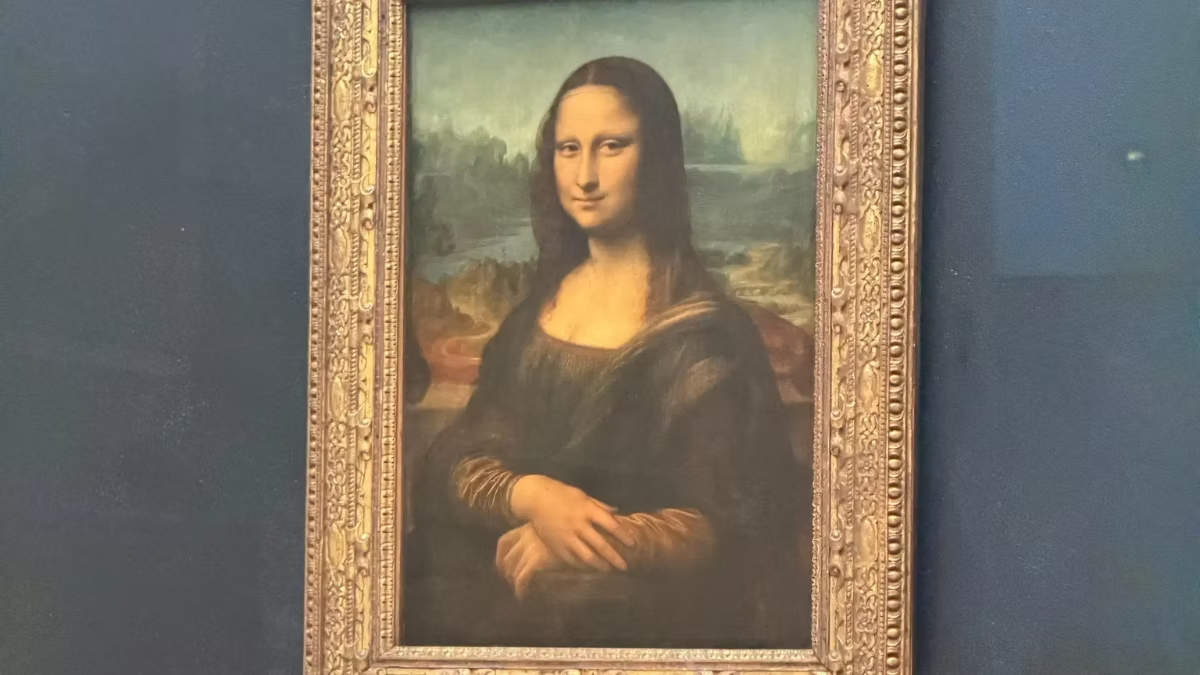
Mona Lisa Visitor Guide
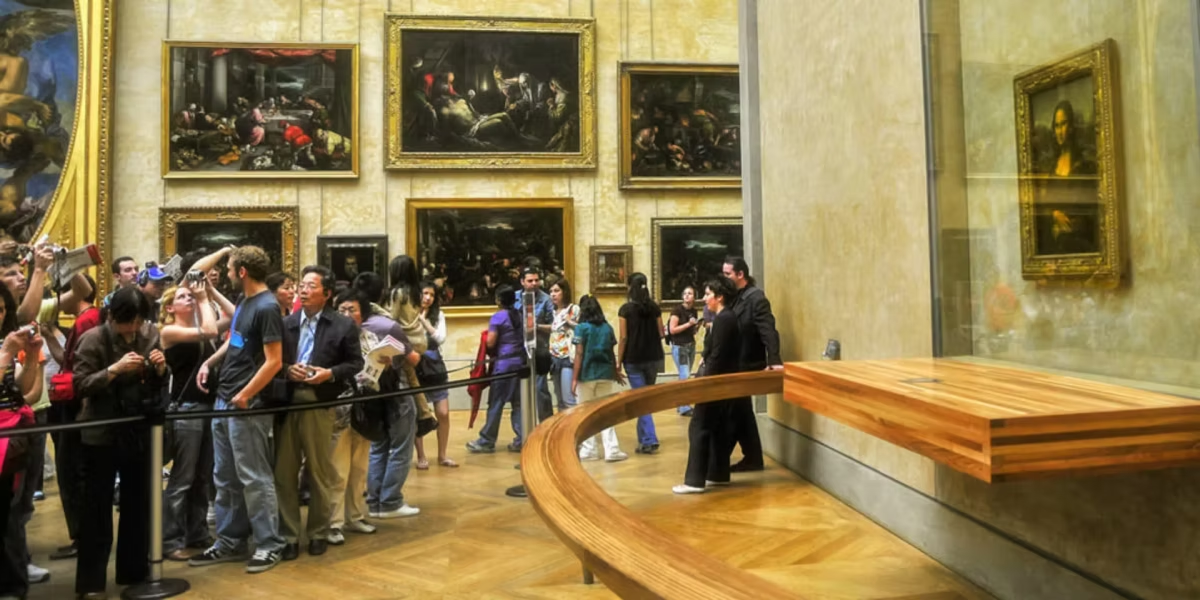
Find Leonardo da Vinci’s iconic Mona Lisa in Room 711 of the Denon Wing, displayed behind protective glass with typical viewing times of 30–60 seconds.
Explore →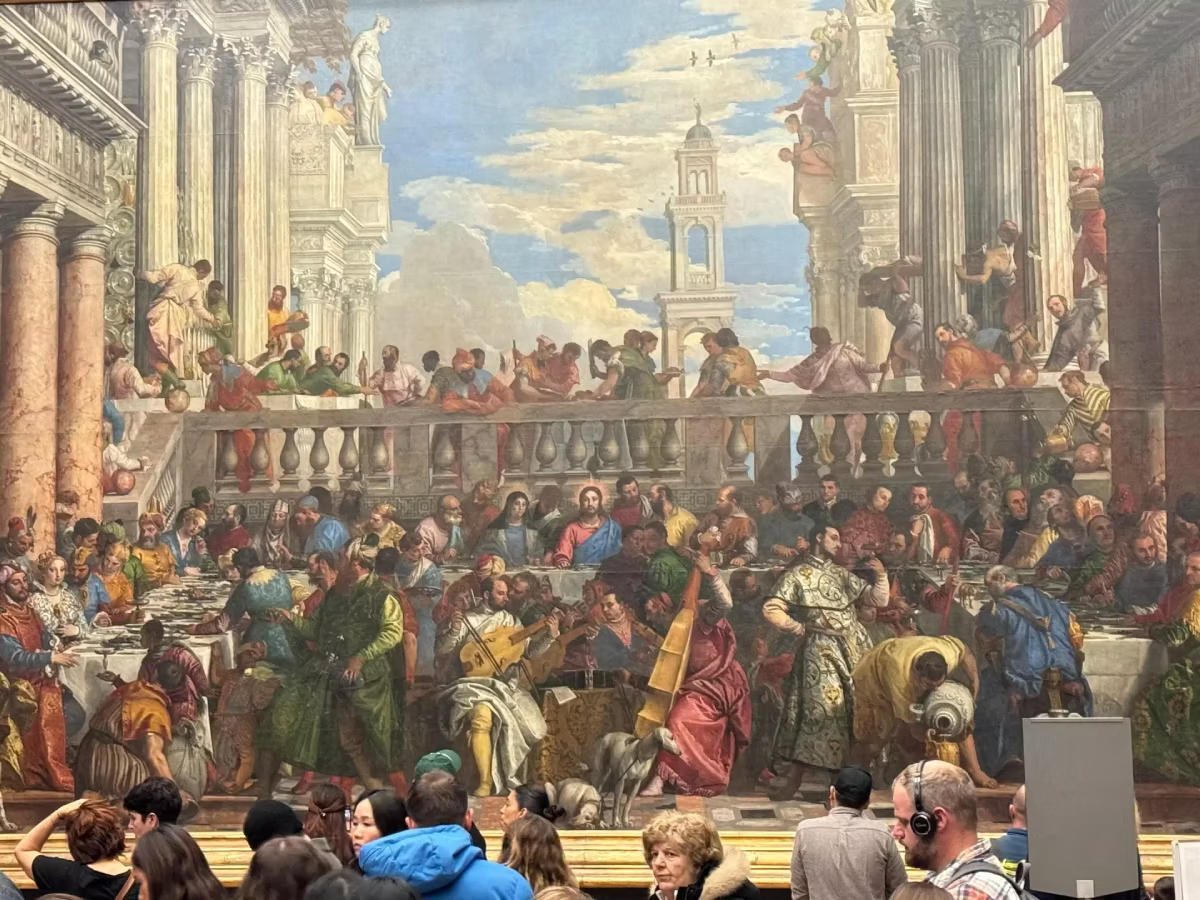
Top 20 Must-See Artworks
The Louvre holds over 380,000 objects, but these 20 works reward your time above all others. From the dynamic tension of the Borghese Gladiator caught mid-combat to Michelangelo’s deliberately unfinished Slaves still emerging from raw marble, each piece sits in a specific wing and gallery you can plan around. This guide maps the essential route so you spend your visit looking at masterpieces, not searching for them.
Explore →Louvre Museum’s Most Famous Masterpieces
The three iconic works every visitor comes to see.
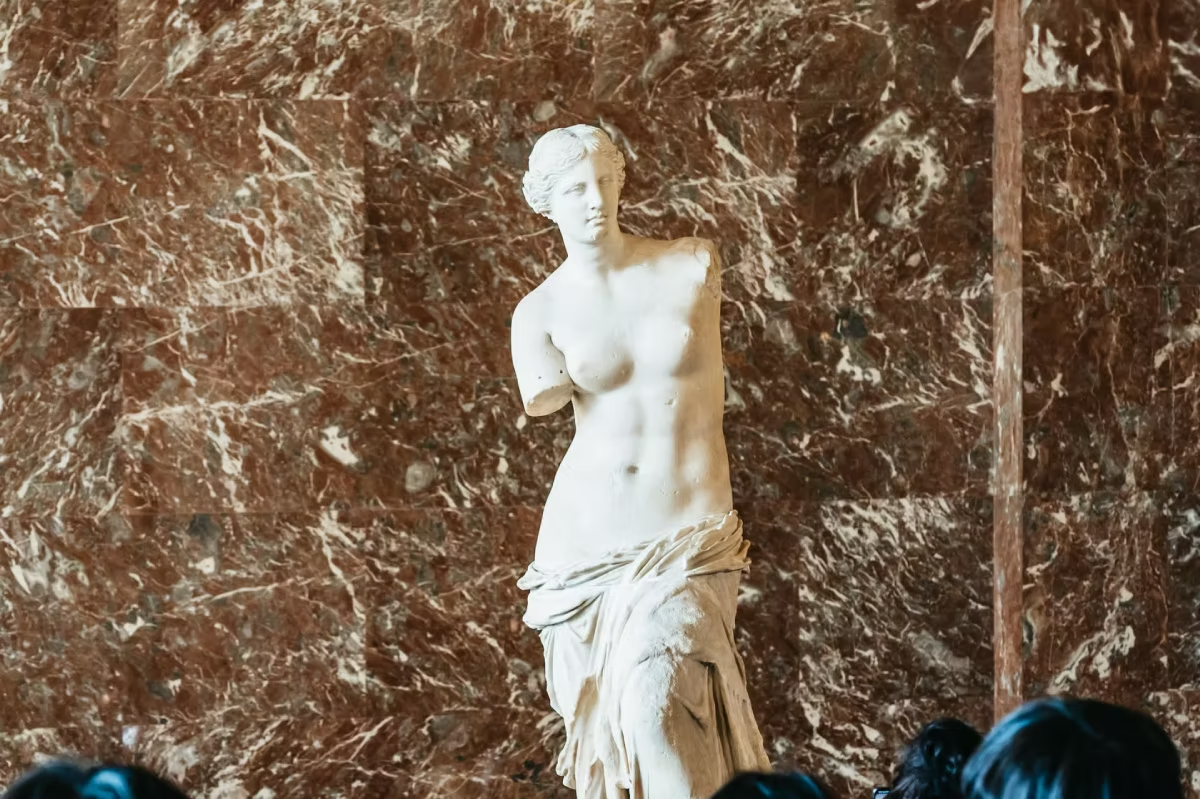
Venus de Milo Statue
Ancient Greek marble sculpture of Aphrodite, carved around 150–125 BCE. Her iconic missing arms and graceful form make her one of the Louvre’s most captivating masterpieces.
Read Guide →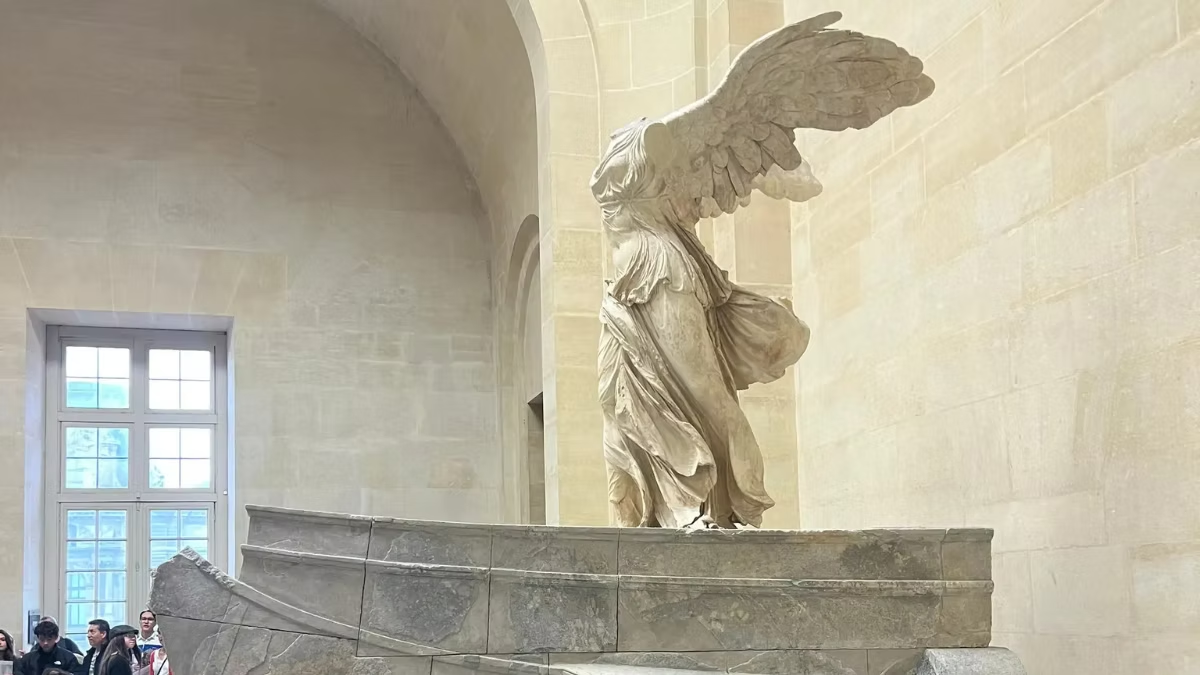
Winged Victory of Samothrace
Greek marble goddess Nike descending onto a warship, carved around 190 BCE. This dramatic sculpture captures motion and triumphant power in exquisite stone detail.
Read Guide →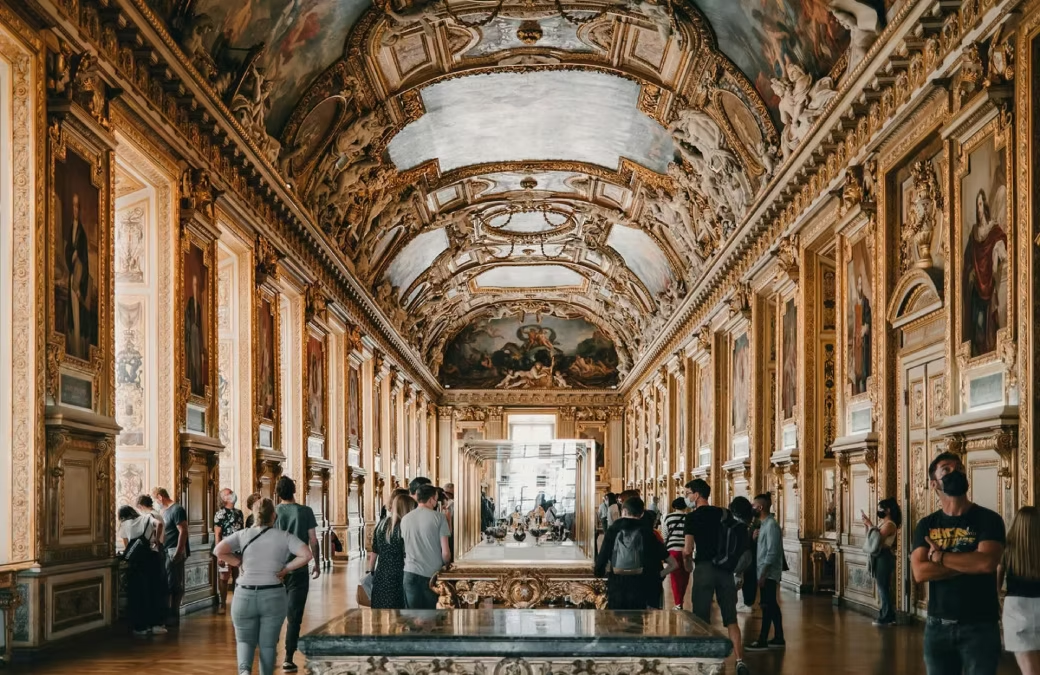
French Crown Jewels Display
The French Crown Jewels collection — normally displayed in the Apollo Gallery’s spectacular Baroque vault — is currently inaccessible following the October 2025 theft. Check the Louvre’s official site before your visit for the latest status.
Read Guide →Ancient Collections at the Louvre Museum
Explore the Egyptian, Greek, and Roman antiquities galleries.
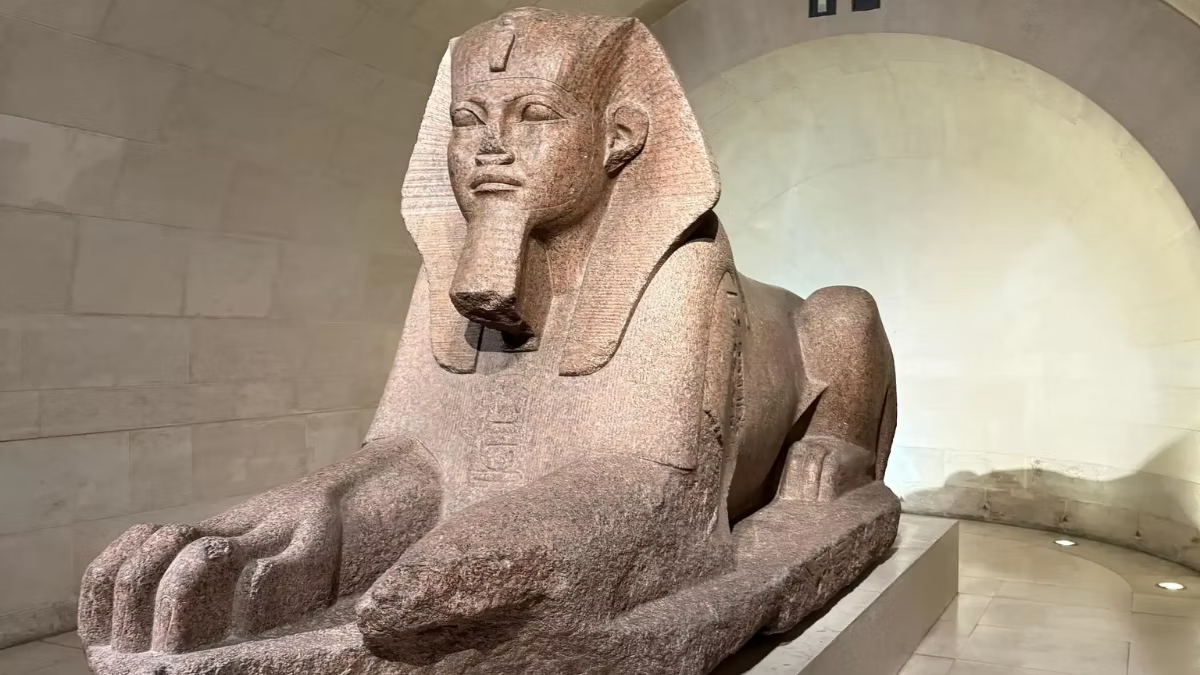
Egyptian Antiquities Collection
Explore over 50,000 ancient Egyptian artifacts spanning 5,000 years across two levels of the Sully Wing, from daily life and funerary practices to monumental architecture and the Great Sphinx of Tanis.
Read Guide →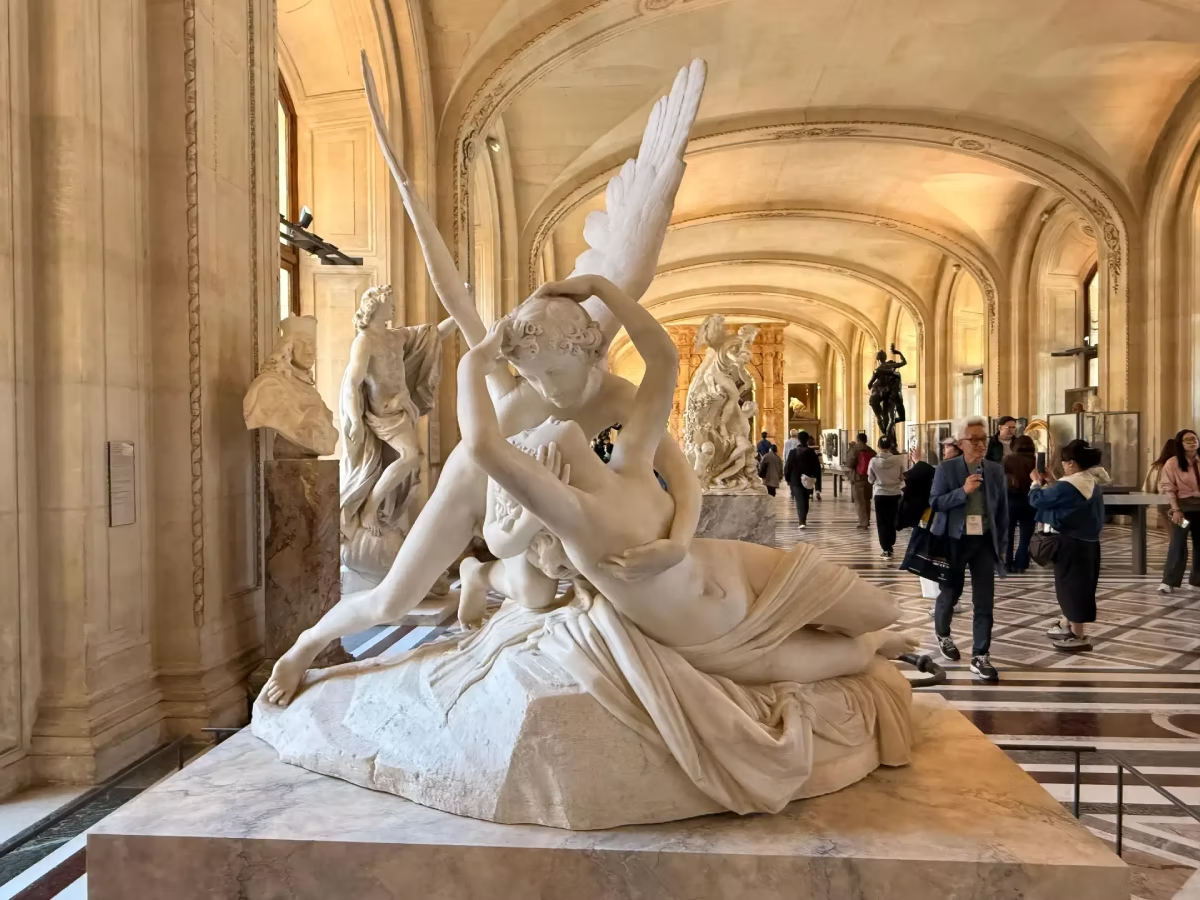
Greek and Roman Antiquities
Discover over 45,000 Greek, Etruscan, and Roman artifacts including the iconic Venus de Milo and Winged Victory of Samothrace, plus extensive collections of vases, sculpture, and Roman portraiture.
Read Guide →Louvre Museum Paintings and Hidden Treasures
Renaissance masterpieces and overlooked gems worth discovering.

Italian Renaissance Paintings
Walk the 460-metre Grande Galerie to view one of the world’s greatest Italian Renaissance collections, featuring Leonardo’s Mona Lisa and Raphael masterpieces alongside lesser-known gems.
Read Guide →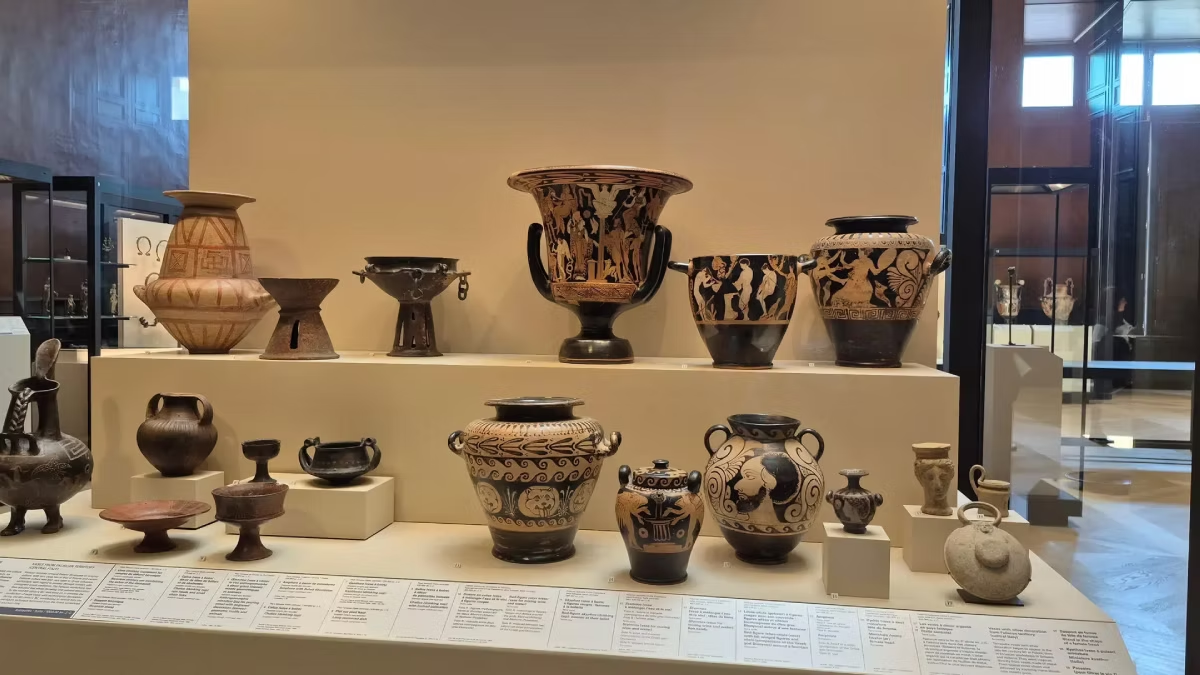
Lesser-Known Masterpieces Worth Seeing
Skip the crowds at famous works and discover lesser-known masterpieces including Vermeer’s Astronomer, the Sleeping Hermaphrodite, and the Napoleon III Apartments, offering quiet viewing time and unique art experiences.
Read Guide →The Louvre Museum Building and Pyramid
The iconic glass pyramid and the architecture surrounding it.

How to Choose What to See at Louvre Museum
A quick guide based on your interests and visit style.
Only Have One Hour
Focus on the three masterpieces that define the Louvre — all reachable in a single loop through the Denon Wing.
- Start at Winged Victory atop the Daru staircase
- Cross through Italian paintings to reach the Mona Lisa in Room 711
- Double back to the ground floor for the Venus de Milo
Best pick: Top 20 Must-See Artworks
First Time at the Louvre
Cover the greatest hits without burning out — mix iconic sculptures, Renaissance paintings, and one surprise gallery.
- The Grande Galerie alone rivals most European museums
- Pause at Winged Victory — the most dramatic first impression in any museum
- Save energy for the lesser-known masterpieces once the big three are done
- Enter via the Carrousel du Louvre to skip the pyramid queue
Start with: Top 20 Must-See Artworks
Ancient Civilizations Fan
The Louvre holds one of the world’s largest archaeology collections — entire temples, sarcophagi, and sculpture halls spanning 5,000 years.
- The Egyptian galleries fill two full floors with mummies, papyri, and the Great Sphinx of Tanis
- Greek and Roman halls house over 45,000 artifacts including the Borghese Gladiator
- Don’t miss the Mesopotamian wing — home to the Code of Hammurabi, one of the oldest legal texts on Earth
Start with: Egyptian Antiquities Collection
Beyond the Crowds
Skip the Mona Lisa scrum and discover works that curators themselves consider the Louvre’s true treasures.
- The hidden gems trail leads to uncrowded rooms with world-class pieces
- Explore the Louvre Pyramid itself — I.M. Pei’s glass structure is an artwork in its own right
- The Northern European galleries (Vermeer, Rembrandt) are often near-empty on weekday mornings
Best pick: Lesser-Known Masterpieces Worth Seeing
Continue Exploring Louvre Museum
Book your tickets and plan the practical details of your visit.
Tickets & Tours
Compare all ticket types, guided tours, audio guides, and combo packages.
Browse tickets & tours →
Plan Your Visit
Opening hours, how to get there, best times to visit, and visitor tips.
Explore planning guides →Frequently Asked Questions
Common questions about what to see and prioritise.